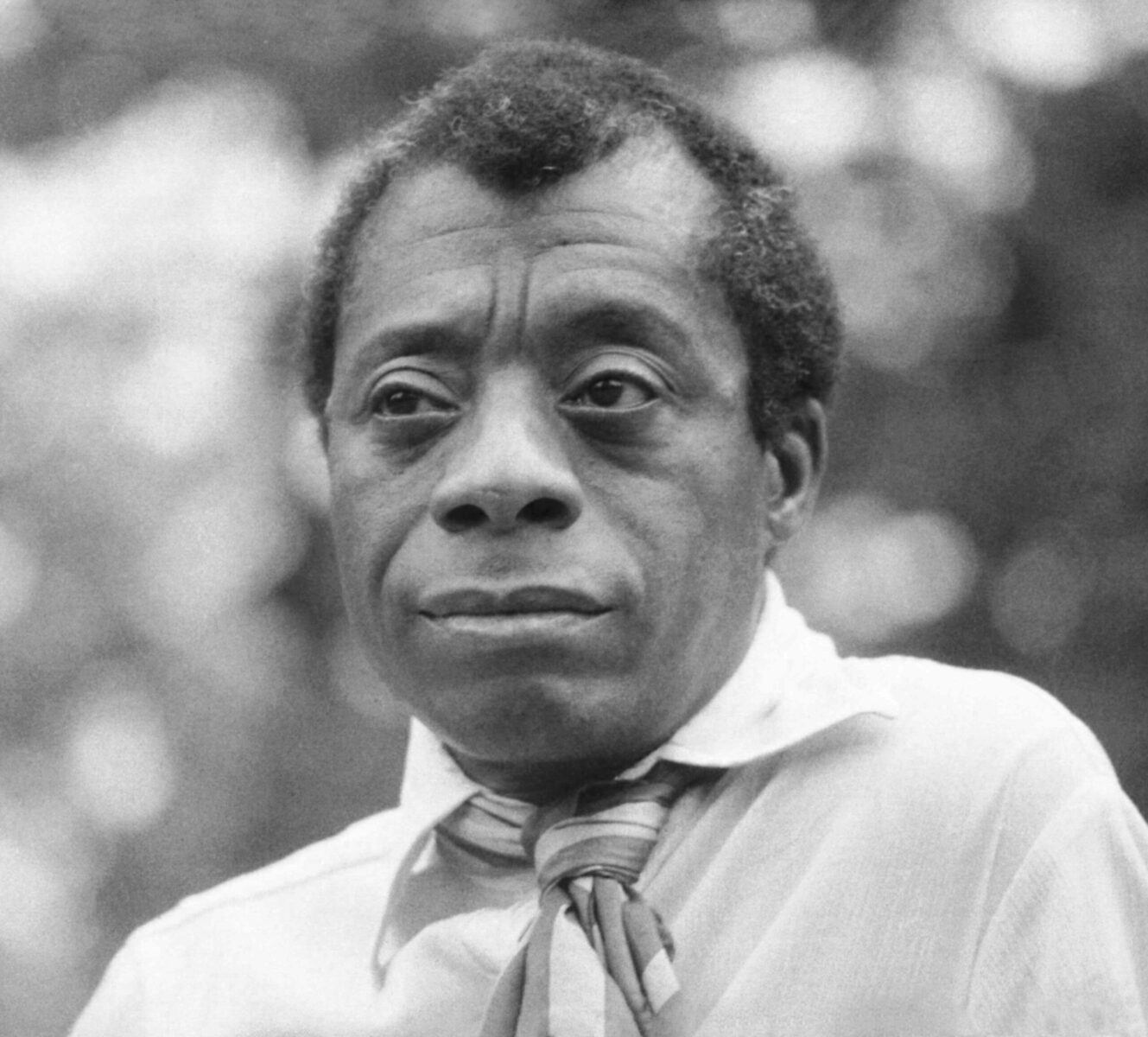
Originally published in 1963, “The Fire Next Time” is a landmark work of American literature that remains hauntingly relevant. James Baldwin uses a blend of personal memoir and biting social critique to examine the psychological and systemic roots of racism in the United States.
The book is structured into two “letters” that together form a prophecy and a plea for the soul of a nation.
1. “My Dungeon Shook: Letter to My Nephew on the One Hundredth Anniversary of the Emancipation”
This brief but searing opening is addressed to Baldwin’s fourteen-year-old nephew and namesake, James.
- The Paradox of Education: Baldwin warns his nephew that the country has “set you down in a ghetto” with the express intent that he should perish. He argues that the greatest danger to Black youth is believing the world’s definition of them.
- The “Innocence” of White Americans: In one of his most famous critiques, Baldwin describes White Americans as “trapped in a history which they do not understand.” He asserts that their “innocence” is actually a form of willful ignorance—a refusal to see the reality of the Black experience because doing so would shatter their own sense of identity.
- The Burden of Integration: Baldwin flips the standard integrationist narrative. He tells his nephew that it is not Black people who must be accepted by White people, but rather Black people who must, through love and understanding, accept their “innocent” White brothers and help them see reality.
2. “Down at the Cross: Letter from a Region in My Mind”
This much longer essay explores Baldwin’s personal history with the church and his later encounter with the Nation of Islam, using both to dissect the broader American racial landscape.
The Escape from the “Avenue”
Baldwin recounts his youth in Harlem, describing the “Avenue” as a place of predatory danger where young Black men were forced into crime or menial labor. At fourteen, he underwent a religious crisis, fueled by a fear of the streets and his own burgeoning sexuality. He became a teenage preacher, but eventually realized that the Christian church—as practiced in America—was often a tool for maintaining the status quo rather than a source of true liberation.
The Meeting with Elijah Muhammad
The narrative shifts to Baldwin’s dinner with Elijah Muhammad, the leader of the Nation of Islam. Baldwin expresses deep respect for the Nation’s ability to give Black men a sense of dignity and self-worth. However, he ultimately rejects their theology.
- The Critique of Black Nationalism: While he understands the anger behind the Nation’s claim that “the White man is the devil,” Baldwin rejects any ideology based on racial supremacy or revenge. He argues that replacing one form of hatred with another only perpetuates the cycle of destruction.
The “White Problem” and the American Dream
The essay concludes with a philosophical examination of the American identity. Baldwin argues that:
- Fear of Death: White Americans cling to myths of superiority because they are terrified of their own mortality and the reality of the human condition.
- Mutual Dependency: He posits that the “Negro problem” is actually a “White problem.” White Americans cannot be free until they confront the reality of their history and the humanity of the people they have oppressed.
The Prophetic Warning
The title of the book is taken from a slave spiritual: “God gave Noah the rainbow sign, No more water, the fire next time.”
Baldwin concludes with a stark ultimatum. He argues that if “the relatively conscious whites and the relatively conscious blacks” do not act like lovers and insist on the truth, the country is headed toward a cataclysmic “fire.” This fire is not just literal violence, but the total spiritual and social collapse of a nation built on a lie.
Key Takeaway: Baldwin defines love not as a sentimental emotion, but as a state of being or a state of grace—the “tough and universal” quest to end the racial nightmare and achieve a truly unified American identity.
Comments are closed